Today, a once-in-a-generation transformation is unfolding in Dharavi.
Its impact is visible on the ground, and reflected in the growing aspirations, confidence and expectations of the people who call Dharavi home.
This is a transformation that is creating opportunities, strengthening communities and inspiring belief in a better future.
A transformation that is improving lives today while laying the foundation for a more inclusive, prosperous and sustainable Dharavi for generations to come.
Impact Assessment Summary
ANDPL undertook an impact assessment to evaluate the progress and anticipated outcomes of initiatives being implemented under the Dharavi Redevelopment Project.
The assessment followed a structured and evidence-based approach designed to reflect the scale, complexity and phased nature of the programme. Drawing upon stakeholder inputs, materiality-led priorities and performance reviews, it assessed the potential environmental, social and governance outcomes emerging from the project.
The findings provide an overview of the project's current progress and anticipated impact across key Environmental, Social and Governance (ESG) dimensions.
Measuring progress through the lens of Environment, Social and Governance.
Environment
Envisioning a Greener Future
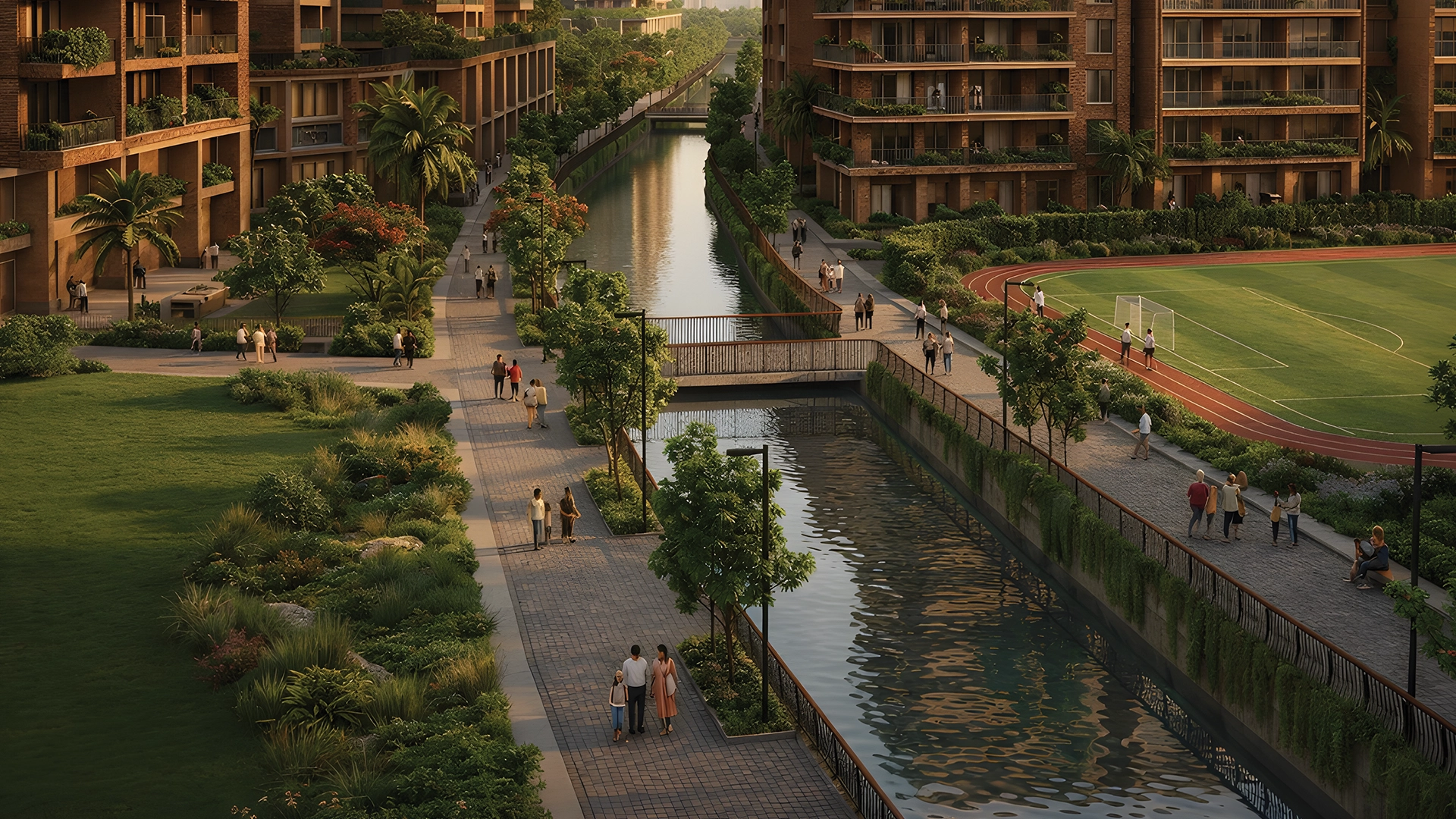
Dharavi's transformation is being shaped through an integrated environmental framework focussed on climate resilience, resource efficiency and ecological regeneration. From climate-risk assessments and sustainable water management systems to renewable energy integration and expansive blue-green infrastructure, every element of the master plan has been designed to create a healthier, greener and more resilient urban ecosystem.

100%
Land Parcels Undergoing Climate Risk Assessment and Biodiversity Assessment; and developing a Decarbonisation Roadmap, Water Neutrality Roadmap, and Waste Management Plan

ISO 14001
Environmental Management Systems

Low Carbon
Energy & Mobility Strategy

Blue-Green
Network of Open Spaces
Strategic Environmental Pillars

1. Climate Resilience
100% Land Parcels
Undergoing Climate Risk Assessment and Biodiversity Assessment; and developing a Decarbonisation Roadmap, Water Neutrality Roadmap, and Waste Management Plan
Climate-responsive
Urban design integrating natural light, ventilation, green spaces, and walkable public networks
Planned sustainable, water-sensitive infrastructure
With integrated stormwater management and alignment with recognised green building standards

2. Resource Efficiency
Integrated Waste Management
With robust scrap systems, reuse and recycling focus, and readiness for Net Zero Waste aligned with GRIHA and IGBC standards
ISO 14001 certification
For Environmental Management Systems in process
Planned on-site renewable energy integration
To reduce reliance on fossil-fuel-based electricity

3. Water Stewardship
Planned water systems
To reduce freshwater dependence through rainwater harvesting, wastewater reuse, efficient supply, and drainage upgrades
Enable energy-efficient building systems
Through smart lighting and high-performance equipment to lower energy use

4. Biodiversity & Open Spaces
Planned interconnected green and open spaces, early integration of existing biodiversity assets, and blue-green infrastructure
To strengthen ecological corridors, natural hydrology, and community well-being across the site
Planned low-emission mobility infrastructure
Through EV-ready charging networks to support cleaner mobility adoption
Social
Securing Dignity, Opportunity and Well-Being
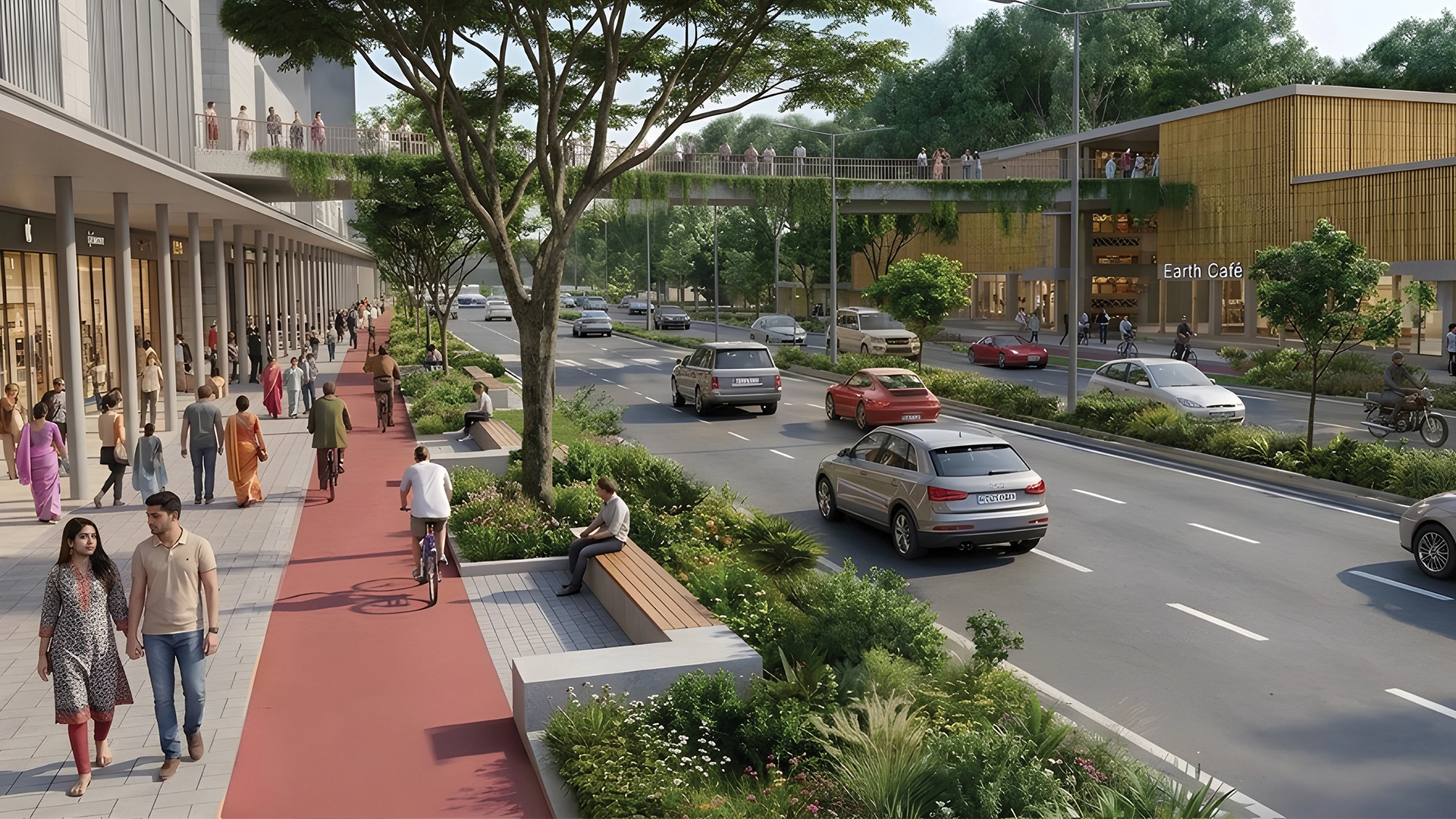
Dharavi's redevelopment places people at the centre of transformation. Through planned housing, social infrastructure, livelihood opportunities, healthcare access and community facilities, the project is designed to improve quality of life while fostering inclusive and sustainable growth.

100%
Households to Receive Modern Civic Infrastructure

~20,000
Industrial Units Supported

24×7
Healthcare Infrastructure

~40 hectares
Green & Public Open Spaces

1. Dignified Living

2. Healthy & Safe Communities

3. Thriving Livelihoods

4. Connected & Inclusive Neighbourhoods
Governance
Trust by Design
Building transparency, accountability and responsible oversight into every stage of transformation.
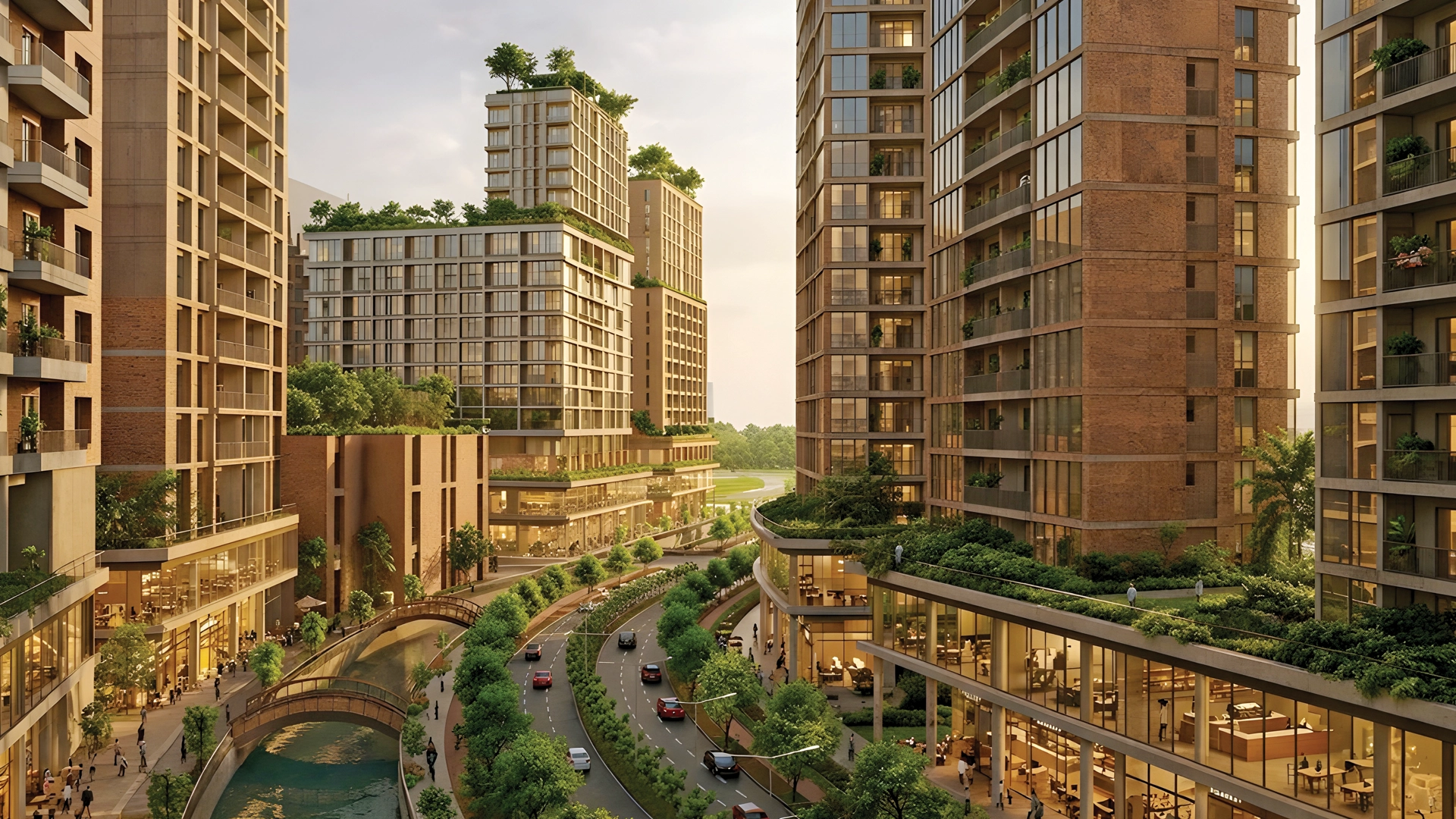
As one of the world's largest urban regeneration programmes progresses, governance systems play a critical role in supporting fair processes, informed decision-making and responsible project delivery. Through technology-enabled planning, structured risk management and stakeholder accountability mechanisms, ANDPL continues to strengthen trust across the redevelopment ecosystem.

Digital
Governance

Ethical
Conduct

Risk
Oversight

Responsible
Operations
Strategic Governance Pillars

1. Digital Governance
Technology-enabled planning, monitoring and traceability
Key Initiatives
- Drone Mapping & LiDAR Surveys
- Digital Planning Platforms
- Digital Tenancy Management Systems
Supporting
Accurate asset mapping, transparent planning processes and traceability across redevelopment activities.

2. Ethical Conduct & Accountability
Mechanisms supporting responsible conduct and stakeholder trust
Key Initiatives
- Whistleblower Mechanisms
- Grievance Redressal Systems
- Ethical Procurement Practices
Supporting
Accountability, responsible business conduct and structured stakeholder engagement.

3. Risk Governance & Oversight
Structured governance frameworks supporting informed decision-making
Key Initiatives
- Enterprise Risk Management Framework
- Board Oversight of Key Risks
- Environmental & Operational Risk Assessments
Supporting
Systematic identification, assessment and management of risks while strengthening organisational resilience.

4. Responsible Operations
Policies and systems supporting responsible project delivery
Key Initiatives
- Vendor Governance & Quality Oversight
- Data Privacy & Security Protocols
- ESG Governance Framework & Policies
Supporting
Responsible operations, data protection and alignment with established ESG commitments.